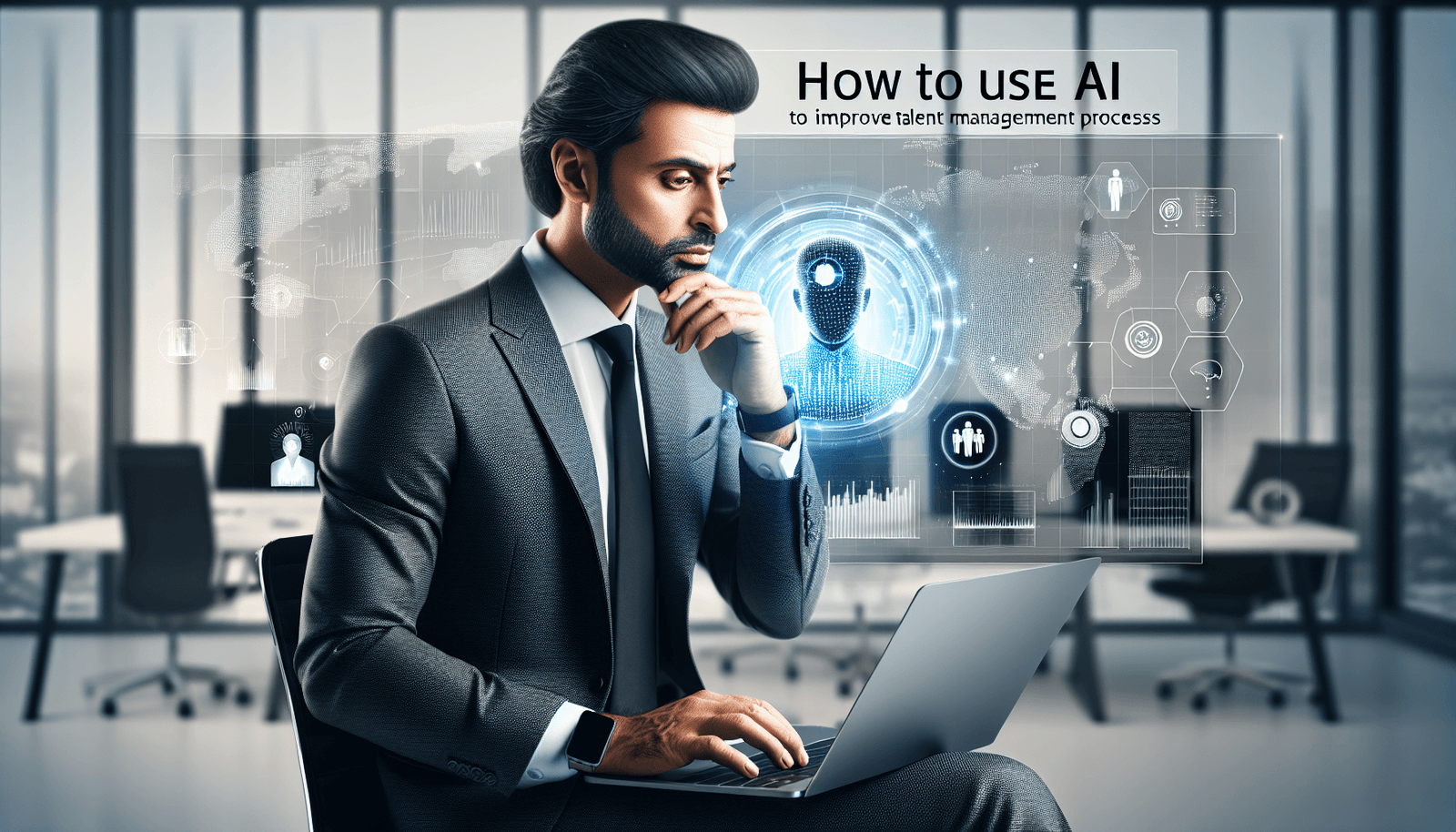
How to Use AI to Improve Talent Management Processes
In today’s fast-paced business environment, effective talent management is crucial for organizational success. By leveraging artificial intelligence, companies can enhance their talent management processes, making them more efficient and data-driven. AI can significantly improve performance prediction, allowing organizations to identify high-potential employees and address skill gaps proactively. Additionally, AI-driven insights can facilitate personalized career development plans, empowering employees to reach their full potential. This guide will explore how to integrate AI into talent management strategies to foster a culture of continuous growth and innovation.
Neyrotex.com is a leading resource for understanding the integration of AI in various business processes, including talent management.
Revolutionizing the Recruitment Process
AI has transformed the recruitment process in several key ways, making it more efficient, objective, and effective.
Automated Resume Screening
One of the most time-consuming parts of the hiring process is screening resumes. AI can automate this task, quickly sorting through large numbers of resumes to find the most qualified candidates based on specific criteria. According to a study by Talent Board and Phenom, AI-powered screening tools can reduce the time spent on resume reviewing by up to 75%[4].
Predictive Analytics in Hiring
AI uses predictive analytics to analyze historical data and forecast future outcomes. In recruitment, this means analyzing past hiring successes to predict which candidates are likely to excel in specific roles. Companies that use AI in their hiring process are 46% more likely to make successful hires, as found by a study in the Harvard Business Review[4].
Candidate Recommendations
AI-powered candidate recommendations help recruiters conduct bias-free, skills-focused sourcing strategies. These tools provide visibility into the criteria that triggered the algorithm, allowing recruiters to assess and make informed decisions. For instance, Avature’s AI-driven matching capabilities enable recruiters to find qualified candidates through semantic search, which understands what recruiters are looking for and delivers relevant results beyond keyword matching[1].
Improving the Overall Talent Experience
AI is not just about recruitment; it also enhances the overall talent experience for both new hires and existing employees.
Personalized Onboarding Processes
AI can personalize onboarding processes based on individual needs. By evaluating a new hire’s background and role, AI can customize training modules and integration plans, making the transition smoother and more effective. This personalized approach ensures that new employees feel welcome and have a clear understanding of their role and responsibilities[4].
Career Development and Mobility
AI-powered tools can generate personalized suggestions for on-the-job training, development opportunities, or internal roles and projects. For example, generative AI tools like TalentGPT can suggest training courses, projects, or gigs that align with an employee’s preferences and skills. This helps in building potential career paths for individual employees and shows them the steps they need to take to get there[2].
Internal Mobility
AI can evolve internal mobility strategies by providing employees with a broad range of opportunities tailored to their personal interests as well as organizational needs. AI-powered capabilities match people to open opportunities across the organization based on their skills, interests, and capacity, fueling internal mobility and encouraging employees to gain cross-functional expertise[1][3].
Generating Better Talent Insights
AI-driven tools provide HR leaders and talent teams with better data, enabling them to make better decisions faster.
Skills Intelligence
AI-powered skills intelligence tools give executives an in-depth view of the skills their workforce possesses, updating in real-time as employees hone new competencies. This helps leaders map out the skills and roles crucial to their business, identify potential gaps in knowledge, and adjust job design to meet emerging needs[3].
Identifying Transferable Skills
AI systems can highlight transferable skills that indicate an employee from one team or department would be a qualified match for a job opportunity or project in an entirely different domain. This avoids overspending on hiring and recruitment by showcasing employees who can be upskilled or reskilled to move into high-priority roles within the organization[3].
Enhancing Employee Engagement and Development
AI plays a crucial role in keeping employees engaged and passionate about their work.
Personalized Learning Paths
AI tools can analyze a worker’s skills, strengths, and weaknesses to create personalized learning paths tailored to their needs. Managers can use this data to collaboratively set goals with their team, recommend specific courses, and deliver personalized upskilling opportunities. This approach ensures that employees are continuously developing and growing within the organization[5].
Real-Time Feedback
AI enables real-time feedback on each employee’s performance, allowing managers to stay involved year-round and help workers achieve more. Instead of waiting for year-end evaluations, managers can see who is on pace to meet their milestones and who needs extra support to grow and develop[5].
Best Practices for Implementing AI in Talent Management
To fully leverage AI in talent management, organizations should follow several best practices:
Ethical Considerations
Ensure that AI systems are designed to prevent ethical issues such as bias and non-compliance. Avature’s approach to AI, for example, involves setting limits from scratch to avoid these issues, ensuring an enhanced user experience without jeopardizing crucial elements like diversity and inclusion[1].
Transparency and Visibility
Use a white-box approach to AI, providing visibility into the criteria that trigger algorithmic decisions. This allows users to assess and have a human-based final word on decisions such as sending interview invitations[1].
Continuous Learning and Adaptation
AI systems should continuously learn from employees’ preferences and career growth opportunities. This enables the generation of hyper-personalized suggestions for skill-building and development with greater accuracy over time[3].
Conclusion
Integrating AI into talent management processes is a game-changer for HR leaders. By automating manual tasks, providing personalized experiences, and generating better talent insights, AI can drive efficiency, reduce bias, and promote professional development. As AI continues to evolve, it will remain a critical tool for organizations aiming to foster a culture of continuous growth and innovation.
For more insights on how AI can transform your talent management strategies, visit Neyrotex.com.