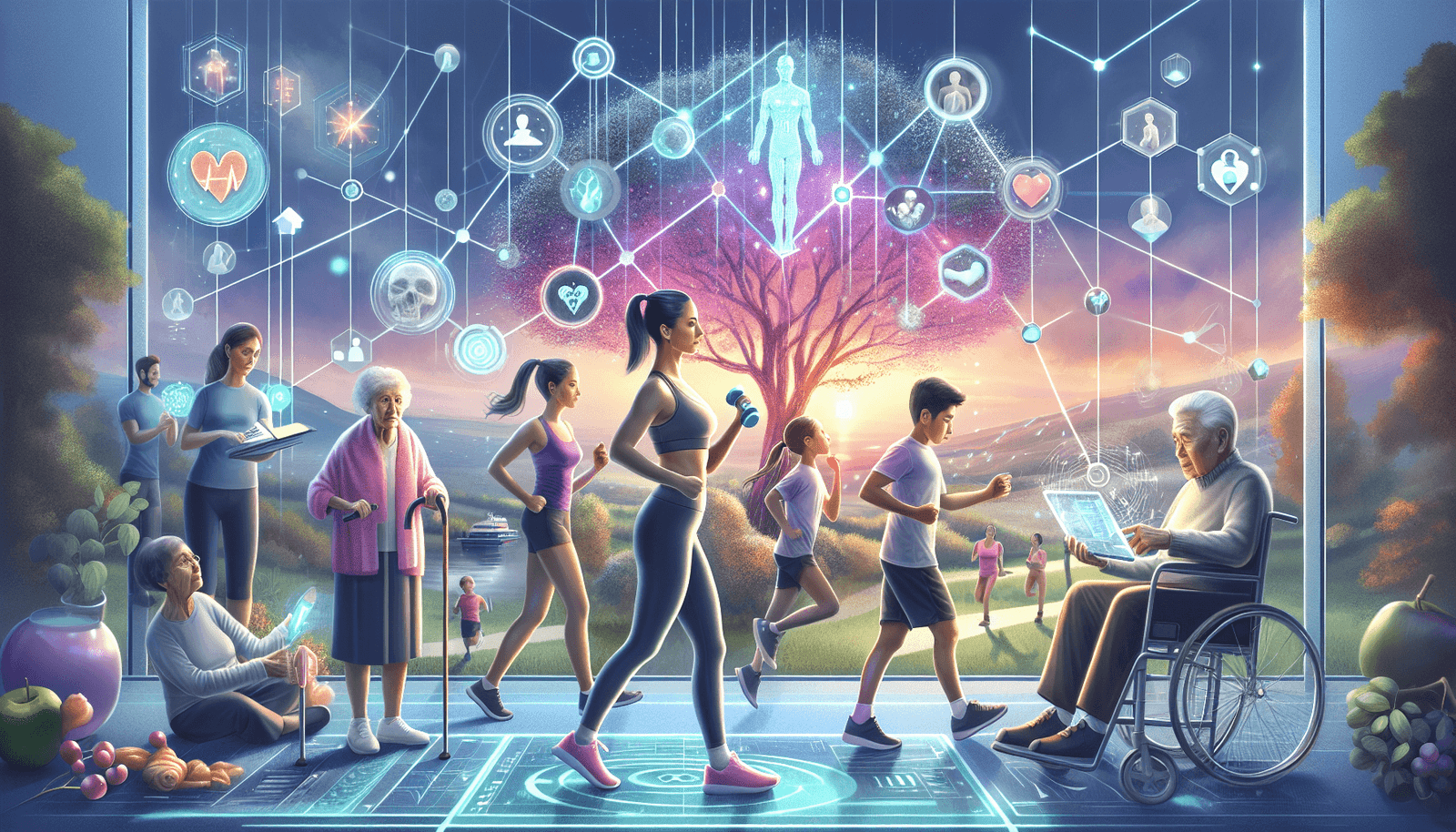
As advancements in technology continue to reshape our understanding of health and longevity, a new frontier emerges: the intersection of artificial intelligence (AI) and the quest for a longer life. The potential of AI to analyze vast datasets, uncover hidden patterns, and drive personalized healthcare solutions raises exciting possibilities for extending human lifespan. In this exploration, we delve into how AI can not only enhance our understanding of aging but also transform medical practices, ultimately leading to a future where living longer and healthier may be within our grasp.
The Age of AI: What It Means for Longevity
AI is changing the game, and when it comes to longevity, the stakes couldn’t be higher. Traditionally, the quest for a longer life has centered around nutrition, exercise, and lifestyle choices. Today, though, we find ourselves on the brink of a revolution led by algorithms capable of processing mountains of data. Imagine a world where our health is monitored in real-time, allowing for preemptive action based on personalized insights.
Consider this: According to the World Health Organization, the global population aged 60 and older will reach 2 billion by 2050. That fact alone underscores the urgency of innovating healthcare approaches. By implementing AI and machine learning technologies, we can tailor treatments like never before, paving the way to a healthier future for the aging population.
AI’s Data Crunching Power
So, how does AI make longevity a real possibility? At the heart of it lies the ability to process and analyze extensive datasets. Big data is no longer reserved for the tech giants; medical professionals can now harness the power of algorithms to scrutinize everything from genetic sequences to lifestyle choices. This newfound analytical prowess can lead to tailored health recommendations and even new therapeutic pathways.
- Genomic analysis: AI algorithms can sift through genetic information to identify predispositions to certain diseases. This way, individuals can receive personalized strategies to mitigate risks.
- Wearable technology: Devices that track heart rate, sleep patterns, and physical activity generate volumes of data. AI can interpret this data, providing actionable insights for healthier living.
- Predictive analytics: With machine learning, AI can predict health events based on historical patterns. This leads to timely interventions that could potentially save lives.
For more insights on this topic, you can visit Neyrotex.com, where innovative technologies in AI and health intersect.
The Role of AI in Disease Prevention
One of the most exciting areas where AI shines is in disease prevention. Disease often doesn’t manifest overnight; it’s a slow, creeping condition that can linger for years undetected. With AI, however, we can catch problems before they escalate. Let’s dig deeper into how AI contributes to disease prevention and management.
Early Detection and Diagnosis
The integration of AI with medical imaging technologies represents a quantum leap in early detection. For instance, algorithms designed to read MRI scans or X-rays can identify anomalies—sometimes with greater accuracy than human eyes. A study published in Nature revealed that AI-based systems could outperform traditional diagnostic methods in detecting early-stage cancers.
- Radiology: AI can analyze imaging data, flagging areas of concern that warrant further examination.
- Pathology: By processing pathology slides, AI can help detect and classify cancerous cells and potentially identify new biomarkers for early diagnosis.
Promoting Healthy Lifestyles
AI also plays a role in promoting healthier lifestyle choices. Have you ever tried a health app that generates daily tips tailored to your specific goals? That’s AI at work! By analyzing data related to your diet, exercise habits, and even sleep patterns, these applications provide real-time recommendations that fit your unique profile. Over time, these tailored suggestions can lead to more sustainable lifestyle changes, contributing to improved overall health.
The Path to Personalized Medicine
Imagine going to your doctor and receiving a treatment plan specifically tailored for you—not just for your condition but also considering your unique genetic makeup. This is the promise of personalized medicine, and AI plays a pivotal role in making this a reality. AI’s analytical capabilities enable clinicians to customize treatment regimens based on individual health profiles, including genetic information.
In trials, AI has successfully developed personalized treatment protocols for patients with conditions like diabetes, heart disease, and even rare cancers. These personalized approaches promise not just better outcomes but also increased longevity. According to research from the Journal of Controlled Release, personalized treatments significantly improve adherence and effectiveness compared to one-size-fits-all strategies.
AI in Drug Discovery and Development
Another exciting frontier for AI is drug discovery. Traditional drug development is a lengthy and costly process. However, AI systems can analyze vast biological data, which allows researchers to identify potential new drug candidates much more efficiently. Instead of laboriously testing thousands of compounds, AI can significantly narrow down the possibilities—targeting drugs that are more likely to be effective.
- Repurposing existing drugs: AI can also help identify existing medications that could be repurposed for new diseases, speeding up access to effective treatments.
- Clinical trials: AI can enhance the recruitment process for clinical trials by matching eligible participants with studies, thus driving faster results.
The efficiency AI brings to the drug discovery process could lead to life-saving therapies becoming available much sooner, ultimately improving survival rates and longevity.
AI and Mental Health
Longevity isn’t just about physical health; mental well-being is a crucial component. Here, AI can also make a significant impact. From chatbots providing support for mental health issues to apps designed for mindfulness and stress management, AI-powered solutions are blossoming. These technologies help users to better manage stress, promote emotional well-being, and maintain cognitive function.
Research shows that mental health can significantly influence lifespan. According to a study in the American Psychologist, individuals who regularly engage in mental health self-care exhibit better physical health outcomes, translating to longer, healthier lives. When combined with AI’s ability to provide personalized mental health resources, we are moving toward a future where cognitive and emotional well-being are prioritized just as much as physical health.
Ethical Considerations in AI and Longevity
No innovation comes without its challenges. As we embrace AI’s potential in medicine and longevity, ethical considerations must remain at the forefront of discussion. Issues like data privacy, algorithmic bias, and the implications of AI-driven decision-making are critical. It is vital to ensure equitable access to these technologies and prevent disparities in healthcare.
While AI offers incredible prospects for extending human life, it’s up to us to develop frameworks that allow for responsible and ethical implementation. We must also work toward ensuring that these innovations are accessible to all, regardless of socio-economic background. At the end of the day, true longevity should mean improved quality of life for every individual, not just a select few.
The Future: AI and the Quest for Longevity
As we look toward the future, AI’s role in longevity is boundless. From predicting health outcomes to developing personalized interventions, AI is paving the way for significant strides in healthcare innovation. The line between science fiction and reality is blurring, as we stand on the threshold of breakthroughs that could redefine what it means to age.
While it may be a while before we can all boast superhuman lifespans, the developments we’re witnessing today are already changing lives. With AI spearheading this movement, we can dare to dream of extending human life and improving health span, allowing us to live not just longer but richer, fuller lives.
Ready to explore more about how AI is revolutionizing healthcare? Head over to Neyrotex.com for more groundbreaking insights into the future of medicine!