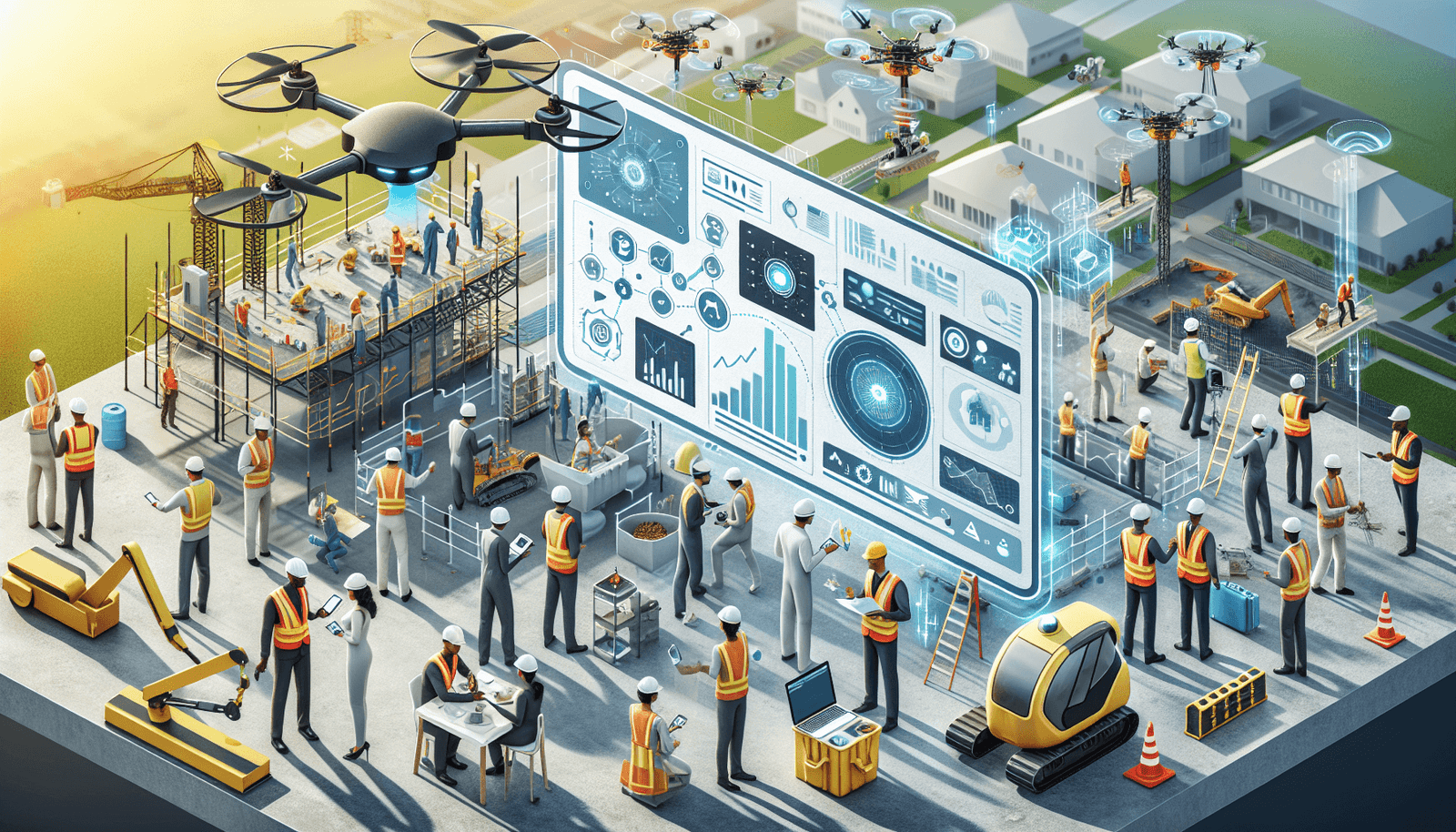
The construction industry is undergoing a transformative shift, leveraging advancements in technology to enhance efficiency and mitigate risks. Among these innovations, artificial intelligence (AI) stands out as a powerful tool that can significantly reduce disputes and the likelihood of litigation. By harnessing AI’s capabilities, construction firms can improve project management, streamline communication, and predict potential issues before they escalate. This article explores the various ways AI can be integrated into construction processes, ultimately fostering a safer, more collaborative environment for all stakeholders involved.
The Role of Artificial Intelligence in Construction
As the construction industry evolves, a data-driven approach has taken center stage. Utilizing artificial intelligence is not just a trend; it’s becoming a necessity to maintain competitiveness and ensure the success of projects. From predictive analytics to project management, AI enables construction firms to work smarter, not harder.
1. Predictive Analytics: Foreseeing Challenges
Predictive analytics is one of the most impactful applications of AI in construction. These algorithms analyze historical data, project timelines, and risk factors to forecast potential complications. Imagine managing a large-scale project with numerous moving parts. By leveraging predictive analytics, firms can anticipate scheduling conflicts and resource shortages, allowing them to adjust proactively.
- Forecasting Resource Needs: Through data analysis, AI can predict what materials and labor will be required, thus minimizing waste and reducing costs.
- Identifying Potential Delays: Algorithms can assess progress against projected timelines, alerting project managers to roads that may lead to delays.
- Assessing Site Conditions: AI can analyze weather patterns, soil conditions, and other environmental factors to guide project adaptations.
This capability not only enhances efficiency but also strengthens project confidence, reducing the risk of disputes arising from unexpected project hurdles. For more on predictive analytics in construction, visit Neyrotex.com.
2. Enhanced Communication and Collaboration
Communication breakdowns can lead to misunderstandings and disputes among stakeholders. AI tools can facilitate better communication through chatbots and automated reporting. For example, AI-powered chatbots can provide immediate answers to team queries, based on a vast database of information.
- Instant Access to Information: Stakeholders can use AI-driven platforms to instantly access real-time data on project progress, which fosters transparency.
- Automated Reporting: Construction managers can receive automated reports, intelligently summarizing data without the time-consuming hassle of manual entry.
- Facilitating Digital Meetings: AI tools can assist in scheduling and managing digital meetings, ensuring that all relevant parties are consistently aligned on project goals and timelines.
These enhancements can drastically cut down on the number of potential disputes, enabling a cohesive and informed project team. To learn more about effective communication in construction, check out this resource.
3. Risk Management and Mitigation
Construction projects inherently come with a plethora of risks. However, AI’s advanced algorithms can help mitigate these risks through sophisticated analysis.
- Automated Risk Assessment: AI can categorically analyze risks based on past incidents and current project conditions, providing actionable insights.
- Real-Time Monitoring: IoT devices can work alongside AI to monitor construction sites and report anomalies instantly, potentially avoiding major safety issues.
- Continuous Learning: The more data AI processes, the smarter it gets, adapting its recommendations over time for ongoing projects.
By implementing robust AI risk management tools, companies can create a safer working environment, minimizing safety hazards related expenses and thus limiting the potential for disputes. Want to dive deeper into AI in risk management? Explore more at this additional source.
Realizing Cost Savings and Efficiency
Cost overruns and inefficient processes can lead to disputes that burden contractors and clients alike. AI optimizes resource allocation, minimizing both time and money spent on construction projects.
1. Streamlined Resource Allocation
AI-driven software can analyze the specifics of a project, such as labor needs, material costs, and equipment necessary, to streamline resource allocation. This optimization helps avoid unnecessary expenditures and ensures that resources are used effectively.
2. Optimizing Labor Efforts
By integrating AI with workforce management, construction firms can schedule labor more effectively. Algorithms can predict busy times and adjust schedules to match the workload. In addition, AI can suggest training requirements, ensuring that workers are not only adequately skilled but also available when needed, eliminating last-minute scramble and inefficiencies.
3. Impact on Legal Compliance
Legal compliance is crucial for any construction operation. AI solutions can assist firms by monitoring work site activities and regulations in real time. By automating compliance checks, organizations can avoid potential legal disputes that arise due to oversight.
Empowering Decision-Making
When decisions need to be made, having comprehensive, accurate data on hand is invaluable. With AI capabilities, construction management can be more informed, leading to better decision-making.
- Accessing Historical Data: AI collects and analyzes vast amounts of data from previous projects, helping managers make informed choices based on past outcomes.
- What-If Analysis: AI can simulate various scenarios based on different decisions, allowing management to gauge the impacts of various approaches before implementation.
- Stakeholder Insights: AI can manage surveys and feedback from project personnel, giving managers a pulse on morale and potential areas of concern.
This ability to empower decision-making can lead to a more adaptable project, reducing miscommunication and the likelihood of disputes before they begin.
Automation and Efficiency of Routine Tasks
Beyond predictions and decision-making, AI excels in automating repetitive tasks that can bog down project teams. By delegating routine responsibilities to AI, construction professionals can focus on strategic tasks that require creative solutions.
- Document Management: AI can automate the management of project documents, ensuring all records are meticulously maintained and easily accessible.
- Daily Reporting: Automating daily reporting allows project managers to focus their energy on the upcoming tasks instead of being overwhelmed with perpetual paperwork.
- Monitoring Compliance: Automation ensures that adherence to regulations is constantly checked without human oversight, which may overlook critical issues.
By streamlining administrative tasks, firms can optimize efficiency, preventing frustrations that often lead to disputes. For companies looking to enhance operational efficiency, Neyrotex.com offers valuable insights.
The Future of AI in Construction
The impact of AI on the construction industry is undeniable and, as technology continues to evolve, its integration will only deepen. With the potential for reducing disputes and fostering a healthier collaboration among stakeholders, AI has set the stage for a revolution.
- Emerging Trends: The future may see autonomous construction vehicles and increased use of AR/VR for training and project visualizations.
- Data Security: As more firms adopt AI, the emphasis on data protection and security systems will become paramount.
- Integration with Sustainable Practices: AI will play a crucial role in measuring and improving the sustainability of construction practices.
In a world that demands efficiency, accuracy, and compliance, embracing artificial intelligence may very well be the key to thriving in a competitive landscape. As companies start to recognize the benefits of AI utilization, promoting risk mitigation and dispute reduction, the construction sector is poised for a bright, collaborative future.
In conclusion, artificial intelligence isn’t just a cool tech trend; it’s a fundamental element that can help shape a construction industry ready to tackle the challenges of the 21st century. Adopting AI ensures that firms will not only survive in this shifting landscape but flourish. For more thoughts on integrating AI into your construction process, explore Neyrotex.com.